
Engine Diagnostics in Cairns
A scan tool reads a code. It does not tell you which part failed. The testing after the code is the actual work, and it is what stops you buying the wrong part.
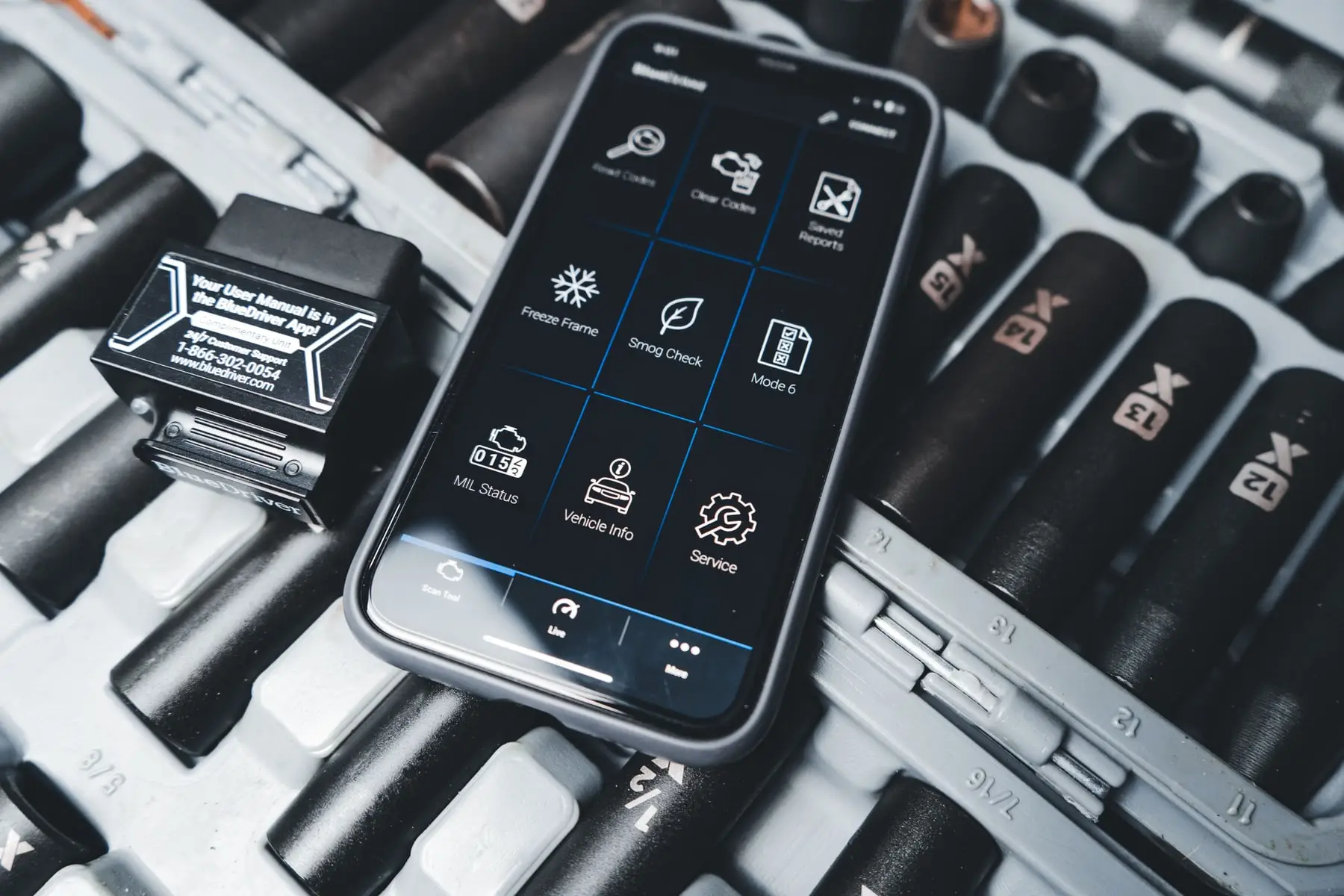
- The code read, then the circuit actually tested
- No parts replaced on a guess
- Told plainly what is proven and what is still suspected
- Intermittent faults recorded rather than dismissed
- Diagnosis quoted separately from the repair
The code is the beginning, not the answer
Plugging a scan tool in takes two minutes and any parts shop will do it free. That is worth knowing, because it is also worth knowing what it gets you, which is less than most people assume.
A fault code does not say “this part has failed”. It says the engine computer saw a reading outside the range it expected, on a particular circuit. A code that mentions an oxygen sensor might be a failed sensor. It might equally be an exhaust leak upstream of it, a wiring fault, a connector full of green corrosion, or a genuine running problem that the sensor is correctly reporting.
Replacing the part named in the code is a coin toss. Sometimes it works. When it does not, you have bought a part and still have the fault, and the next guess costs again.
The work worth paying for is what happens after the code: testing the circuit, checking the live data while the engine runs, and proving which link in the chain is actually broken.
What we do
The code gets read, along with the freeze frame data that shows what the engine was doing at the moment the fault was recorded, which is often the most useful thing in the whole scan.
Then the circuit gets tested. Live sensor data compared against what it should be reading. Power and earth checked at the connector. Wiring inspected for chafe and corrosion. Where it is relevant, a smoke test for air leaks, or a pressure and volume test on a fuel system, or a scope on a sensor signal to see the shape of it rather than a single number.
At the end you get told two separate things: what has been proven, and what is still suspected. If a fault is intermittent and it does not present while we have it, we will say that rather than replace something so it looks like we did something.
Faults this climate produces
Some of what we see is straightforwardly local.
Corrosion in connectors. Salt air and humidity get into plugs, particularly on anything low on the car or in a wheel arch: wheel speed sensors, reversing sensors, trailer wiring. The symptom is an intermittent fault that comes and goes with weather and vibration, and it is a connector problem rather than a sensor problem.
Water where it should not be. After a serious wet season week, cars that have been through standing water turn up with electrical faults that have nothing to do with how the car was running the week before.
Heat. Components fail differently when they are hot. A fault that only appears after forty minutes of driving in February is a heat-related fault, and it will not show itself on a cold car in a workshop, which is why we ask when it happens.
Rodents. Not a climate thing exactly, but common enough here to be worth listing. Chewed wiring looms in vehicles that sit for a few weeks.
Warning lights that are not all the same
A steady engine light means a fault is stored and the car has adjusted around it. Get it looked at, but it is not usually an emergency.
A flashing engine light is different. It generally means a misfire severe enough to damage the catalytic converter, and continuing to drive turns a cheap repair into an expensive one. Pull over and ring.
A light that came on, stayed for a couple of days and then went out has not fixed itself. The fault is still stored in memory, and that stored history is often the fastest route to the cause. Do not clear it before someone has read it.
Ring the workshop with what the light is, when it comes on, and whether the car feels any different when it does. If it is a no-start rather than a warning light, the battery and charging page is probably the better starting point.
Suburbs we take this work from
- Bentley Park
- Earlville
- Edmonton
- Gordonvale
- Manunda
- Portsmith
- Redlynch
- Woree
- Smithfield
- Trinity Beach
Somewhere else around Cairns? Ask when you ring. call 0468 084 513 and ask.
Get it booked
Tell us the make, model, year and kilometres and what the car is doing, and you get a real number for engine diagnostics rather than a starting-from figure.
- Workshop hours
- Monday to Friday, 7:30am to 5pm
- We cover
- Cairns, the southern corridor to Gordonvale, and north to Trinity Beach
- Vehicles
- All makes, petrol and diesel, including 4WDs and work utes
- Send the make, model, year and roughly what the odometer reads. Half of what decides a price is which service interval the car is up to, and none of that is guessable from the model alone.
- Say what the car is doing and when it does it. A noise that only turns up cold is a different fault from one that only turns up hot, and that single detail regularly saves an hour on the hoist.
- The number you approve is the number you pay. If the job turns out bigger once it is apart, the work stops and you get a call, rather than a larger invoice at the end.