
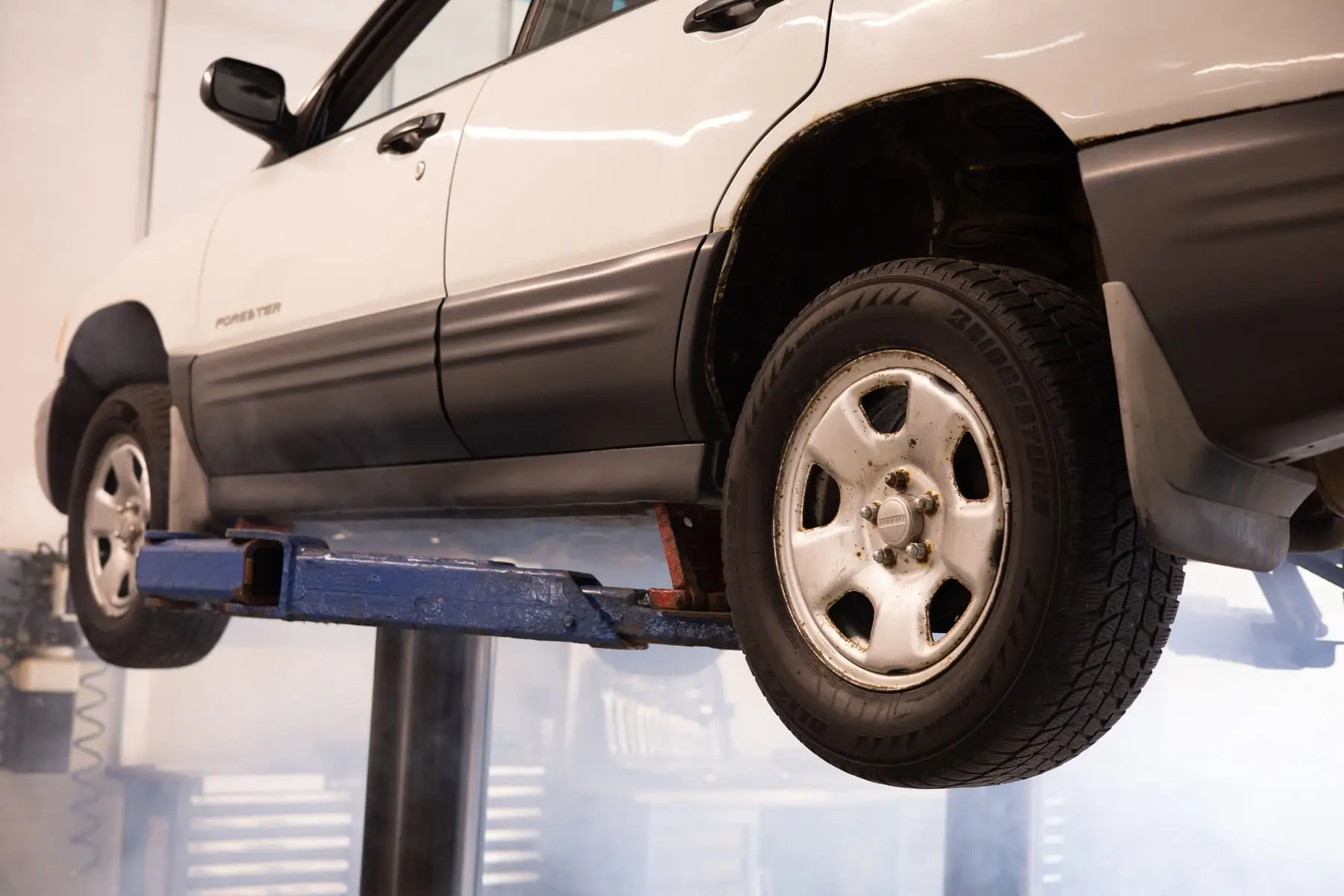
Car servicing and repairs in Cairns, priced before the spanners come out
Logbook servicing, brakes, diagnostics, aircon and safety certificates for every make, from Gordonvale to Trinity Beach. You get a number before the work starts, and a phone call before anything is added to it.
- Cairns based, working the southern corridor and the northern beaches
- Every job quoted before it starts
- All makes, petrol and diesel
No surprises on the invoice
We service and repair every make out of a workshop in Cairns, and we work to the interval the car has actually earned rather than the one printed for a temperate climate. Nothing gets done that was not quoted. If we open something up and find more, the car stops and the phone rings, and you decide.
You get the number first
The quote comes before the work, not with the invoice. If a job turns out to be bigger once it is apart, we ring you and you decide whether it goes ahead. Nothing is added quietly.
The interval, not the sticker
Nearly every car here meets its own manufacturer's definition of severe service on three counts at once. We service to the conditions the car is driven in, and tell you which of those counts apply to yours.
You get told what we left alone
The report says what was replaced, what is worn but has life in it, and what we looked at and decided not to touch. The last one is the part most people never get.
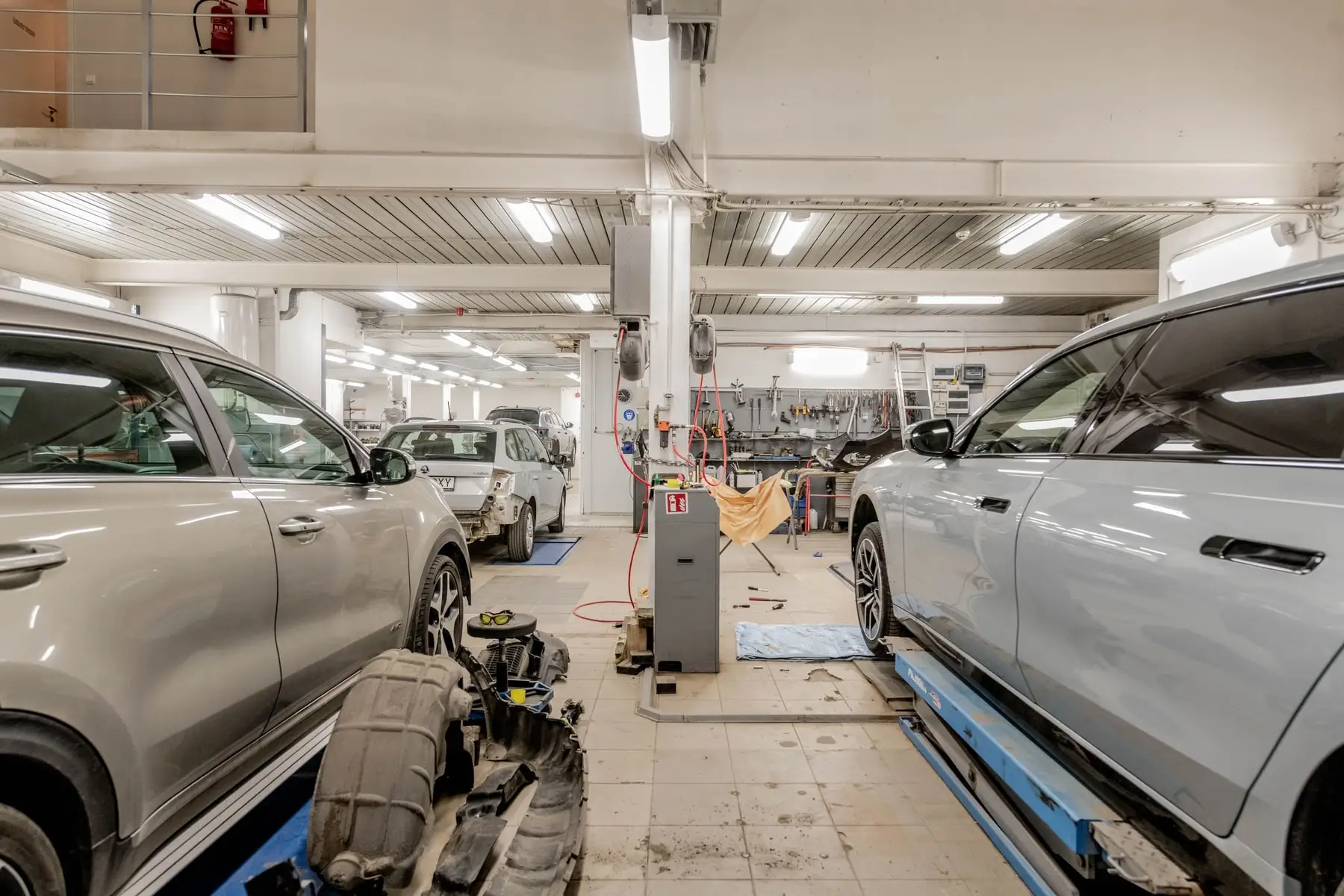
- Quoted before the work starts
- Cairns based, working the southern corridor and the northern beaches
From the phone call to the keys back
Five steps, and the fourth one is the reason most people change workshops.
-
You ring and describe it
What the car is doing, when it does it, and roughly how long it has been doing it. A noise that only happens cold is a different fault from one that only happens hot, and knowing which saves an hour of looking.
-
We book a slot, not a day
You get a time and an honest estimate of how long the car will be with us. If it is a job we cannot finish that day we say so on the phone, before you have arranged a lift home.
-
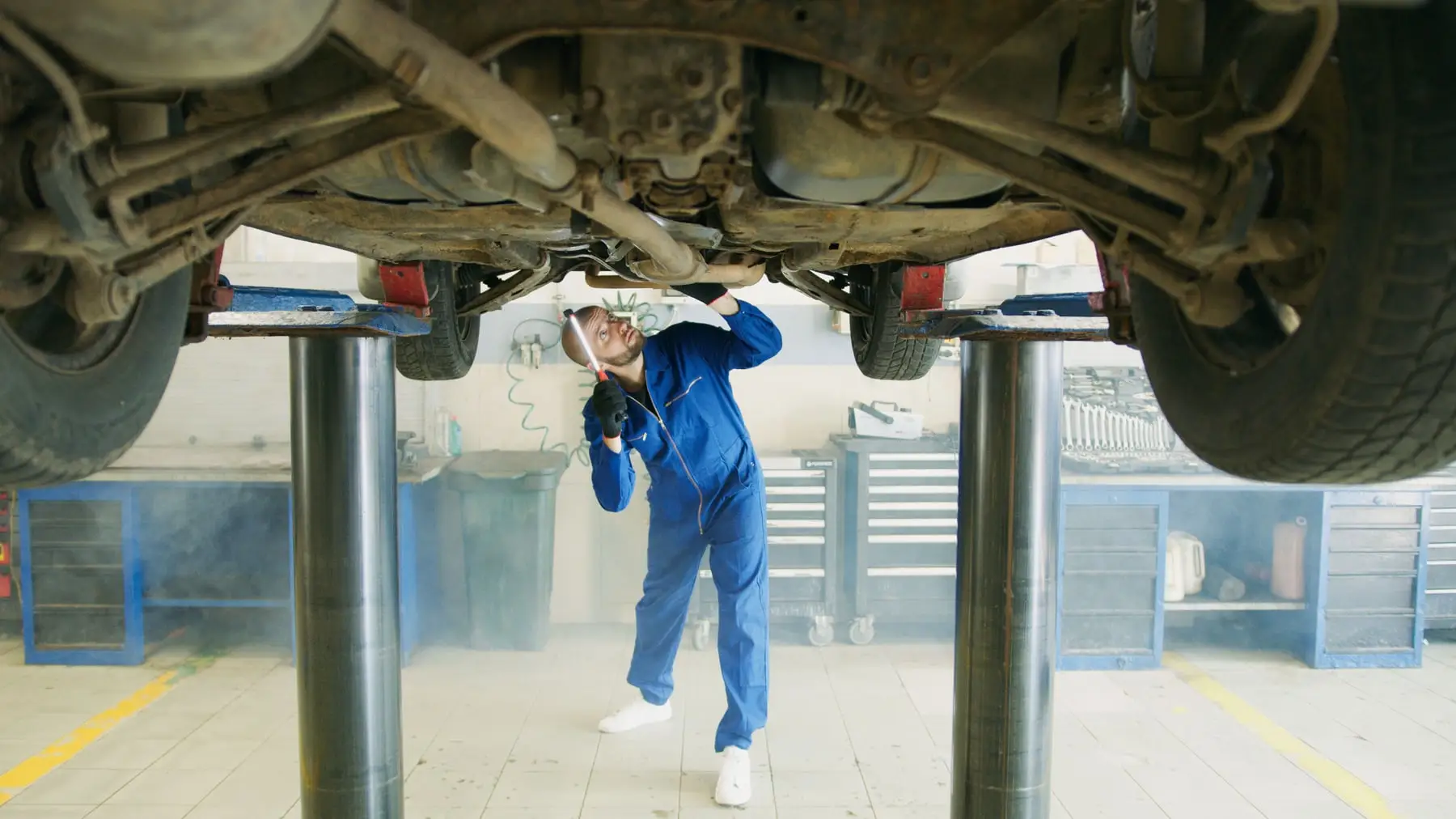
We look before we quote
A price given over the phone for a fault nobody has seen is a guess. We put it on the hoist, find out what is actually wrong, and then give you a number for the repair.
-
You approve the work
The quote states what is being replaced and why. Anything found after that point is a second phone call, and the car sits until you have made the decision. This is the step that most complaints about workshops are actually about.
-
You get the car and the account
What was done, what was replaced, what is on the way out and roughly how long it has. Old parts are kept for you to look at if you want them, which is worth asking any workshop for.
What we get asked for most
If you already know what you need, start here. If you do not, ring and describe what the car is doing, because the symptom usually points at the job better than the guess does.
-
-
-
-
-

-
-
-
All 12 services we take bookings for
Cairns, the southern corridor and the northern beaches
Each of these pages covers what that part of the city actually does to a car, because a beach suburb and a valley at the foot of a range wear one out in completely different ways.
- Bentley Park
- Earlville
- Edmonton
- Gordonvale
- Manunda
- Portsmith
- Redlynch
- Woree
- Smithfield
- Trinity Beach
Somewhere else around Cairns? Ask when you ring. call 0468 084 513 and ask.
Your car’s service schedule was written for somewhere else
Manufacturer service intervals are set against a temperate reference climate. Then look at what a car in Cairns is actually doing.
Sustained high ambient temperature. Salt in the air within a few kilometres of most of this city. Dust off cane and unsealed access roads. Trips short enough that the engine never fully comes up to temperature. Towing, on a lot of them. Long descents off the ranges.
Open the back of almost any owner’s handbook and there is a table headed severe service, or heavy duty, or words close to it. Most cars here meet three of those conditions at once, permanently. The interval on the windscreen sticker is the other one.
What that actually does to parts
This is not a general claim about the tropics. It is specific and it is mechanical.
Brake fluid absorbs water out of the air. That is what the fluid is designed to do, and it does it faster in humid air. Fluid with water in it boils at a lower temperature, and fluid that boils on a long descent gives you a pedal that goes to the floor and comes back a minute later as though nothing happened. It is the single most under-serviced fluid in the country and it is the one that matters most on a range.
Ambient heat sets the floor everything else is added to. A cooling system and an automatic transmission both work by shedding heat into the air around them. When that air starts at 33 degrees rather than 18, everything downstream runs closer to its limit, and towing a boat up the range in February is not the same job as the same transmission does in a Melbourne commute.
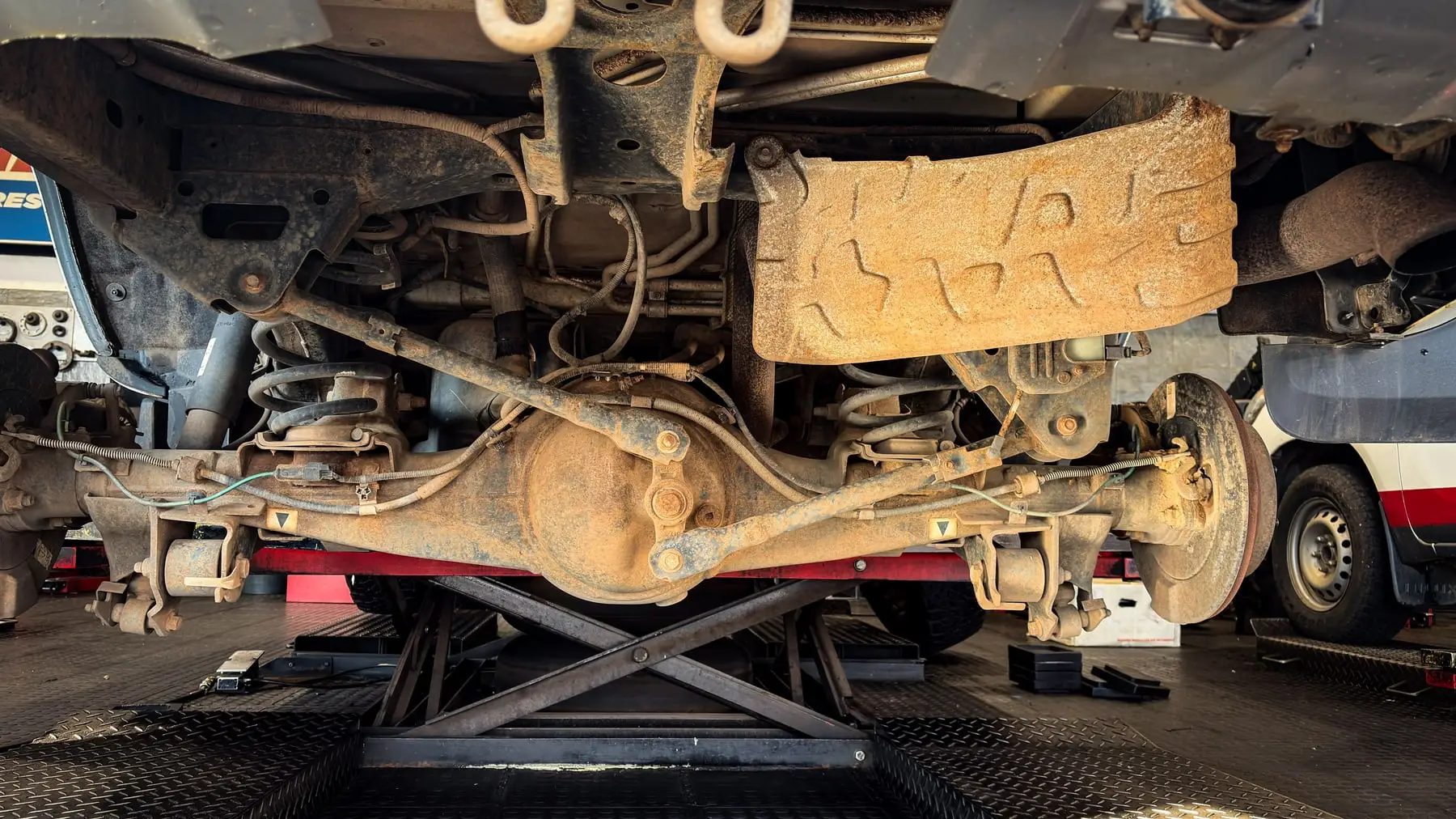
Salt works from underneath. Brake lines, caliper slide pins, exhaust hangers and suspension fasteners corrode where nobody looks, and the first anybody knows about it is a seized pin dragging a pad or a fastener that shears instead of undoing. Cars that live near the beach and cars that live at Redlynch age very differently underneath, even when they read the same on the odometer.
Short trips never dry anything out. Condensation stays in the exhaust and in the oil, a diesel particulate filter never gets hot enough to clear itself, and a battery lives permanently a bit flat. A car doing four kilometres to school and back is working harder, in the way that matters, than one doing the highway to Gordonvale every day.
Which is a reason to be told, not sold
None of the above is an argument for servicing everything twice as often. Most of it is an argument for knowing which of those conditions apply to your car, and adjusting two or three things rather than all of them.
A car that lives at Trinity Beach and tows a boat has a salt and a load problem, and its brake fluid and its underbody are where the attention goes. A car doing school runs around Bentley Park has a short-trip problem, and its battery and, if it is a diesel, its particulate filter are the things that will strand it. Those are different jobs, and quoting them the same way is how a workshop ends up selling work that was not needed.
That is the conversation we would rather have on the phone before the car arrives, which is why the number is at the top of every page on this site.
Several of these come up often enough that they have their own page. There is a breakdown of how often to service a car in the tropics, one on why brakes fade on a range descent, and one on what a Queensland safety certificate actually checks, which is narrower than nearly everyone assumes.
Four things that do not change
These are standing rules rather than an offer, and none of them expires.
-
The quote comes first
You get a number before the work starts. If the job turns out to be bigger once it is apart, the car stops and the phone rings. Nothing is added to an invoice that you did not agree to.
-
Measured, not guessed
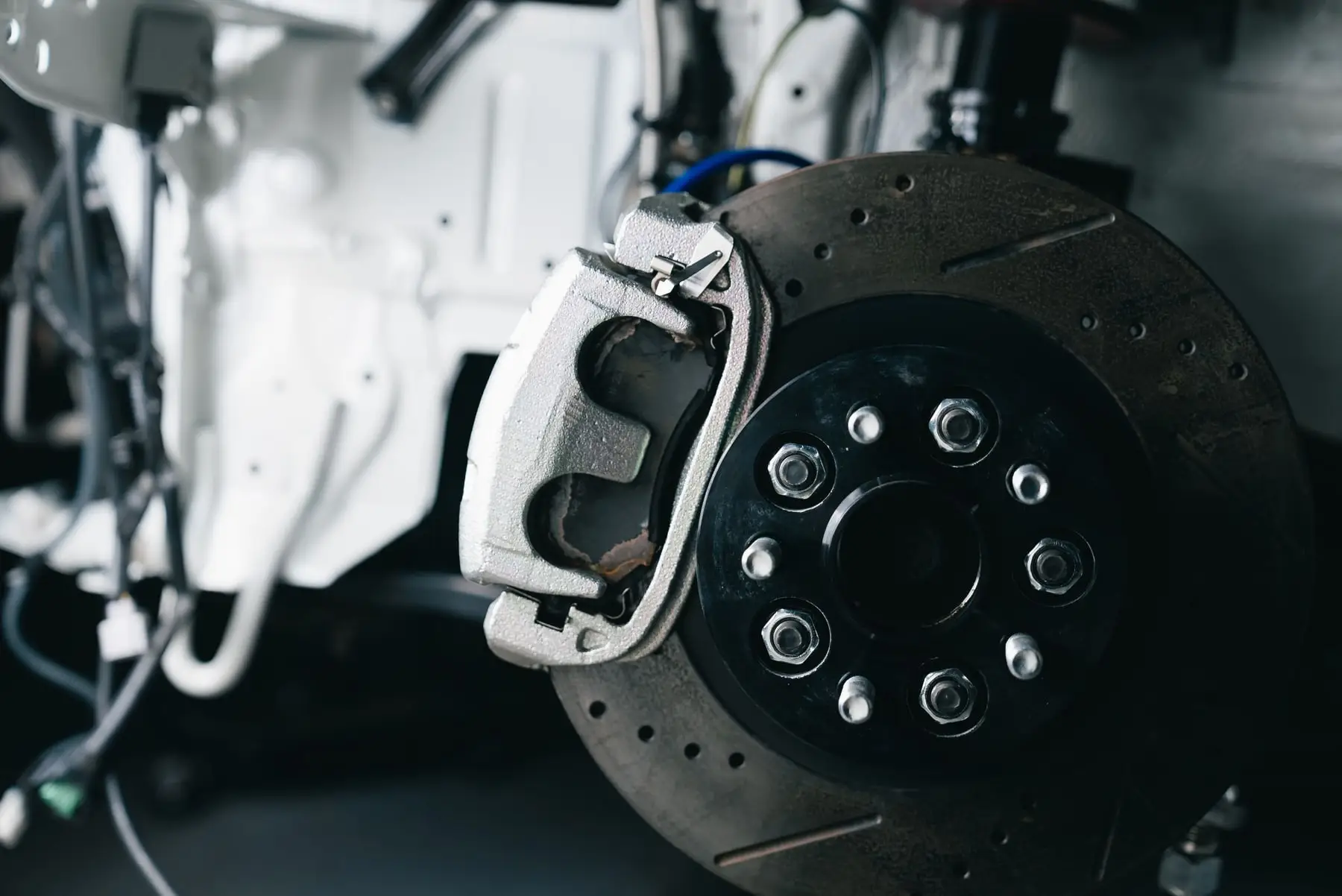
Brake pads and rotors come back to you as measurements against the manufacturer's minimum, and brake fluid moisture is tested rather than estimated from the age of the car. You should be able to see the reasoning, not just the recommendation.
-
We will tell you not to
If a repair costs more than the car is worth, or something is worn but has plenty of life left, you get told that plainly. Saying a job is not worth doing costs us the job and it is the whole reason anyone comes back.
-
You get told what we left alone
The report covers what was replaced, what is wearing but can wait, and what we looked at and decided not to touch. Old parts are kept if you want to see them.
The questions we get every week
How much is a service?
It depends on the make, the engine and which interval the car is up to, because the items that fall due at 40,000km are not the ones due at 10,000km. Ring with the make, model, year and kilometres and you get a real number for your car rather than a headline price that changes once the bonnet is up.
Will servicing here void my new car warranty?
No. Under Australian Consumer Law a manufacturer cannot require you to service at their own dealership to keep your warranty. What is required is that the car is serviced on schedule, by someone qualified, with parts meeting the manufacturer's specification, and that the work is recorded. All of that happens here, and your book is stamped.
What happens if you find something else wrong?
The car stops and you get a phone call. You are told what it is, what it costs and whether it can safely wait, and nothing goes ahead until you have said so. Work that was not quoted does not appear on the invoice.
How long will you have the car?
A standard service is usually a few hours rather than all day. Diagnostic work and repairs depend on what is found and whether parts are held locally, which in Far North Queensland is the thing most likely to add a day. You get told on the phone before you drop the car off, not afterwards.
Do I need a safety certificate to sell my car?
In Queensland, yes, for a registered light vehicle being sold or transferred to a new owner, and for re-registering an unregistered one. It is a statutory safety inspection with a fixed scope, and it can only be issued by an Approved Inspection Station. It is not a report on the mechanical condition of the car.
Do you work on my make of car?
All makes, petrol and diesel, including four wheel drives and light commercials. If something genuinely needs a manufacturer-specific tool or a dealer-only procedure, you will be told that up front rather than after the car has been in for a day.
Can I supply my own parts?
Sometimes, and it is worth talking through first. The saving is often smaller than expected once fitment and warranty are accounted for, and a part supplied by the customer cannot carry the same guarantee, because there is no way to stand behind something we did not source.
How often should I service my car up here?
Start with the manufacturer's interval, then check whether your car meets that manufacturer's own definition of severe service. In Far North Queensland most do, on several counts at once. That usually means two or three specific items come forward, most often brake fluid, coolant and transmission fluid, rather than everything being done twice as often.
Tell us what the car is doing
Make, model and roughly what it is up to is enough to start with. You get a real answer back, and there is nothing to pay for asking.
- Workshop hours
- Monday to Friday, 7:30am to 5pm
- We cover
- Cairns, the southern corridor to Gordonvale, and north to Trinity Beach
- Vehicles
- All makes, petrol and diesel, including 4WDs and work utes
- Send the make, model, year and roughly what the odometer reads. Half of what decides a price is which service interval the car is up to, and none of that is guessable from the model alone.
- Say what the car is doing and when it does it. A noise that only turns up cold is a different fault from one that only turns up hot, and that single detail regularly saves an hour on the hoist.
- The number you approve is the number you pay. If the job turns out bigger once it is apart, the work stops and you get a call, rather than a larger invoice at the end.